Experience the Grandeur: a Thorough Exploration of the Royal Collection Jewelry Line
Regal jewelry occupies a unique position in the historical record, representing power and prestige across the ages. Each artifact, from crowns to brooches, tells a story of artistry and cultural significance. The level of craftsmanship is truly remarkable, reflecting techniques passed down through centuries. As one delves into these remarkable artifacts, questions arise about their impact on modern fashion and the enduring commitment to preserving their legacy. What mysteries could these exquisite pieces uncover?
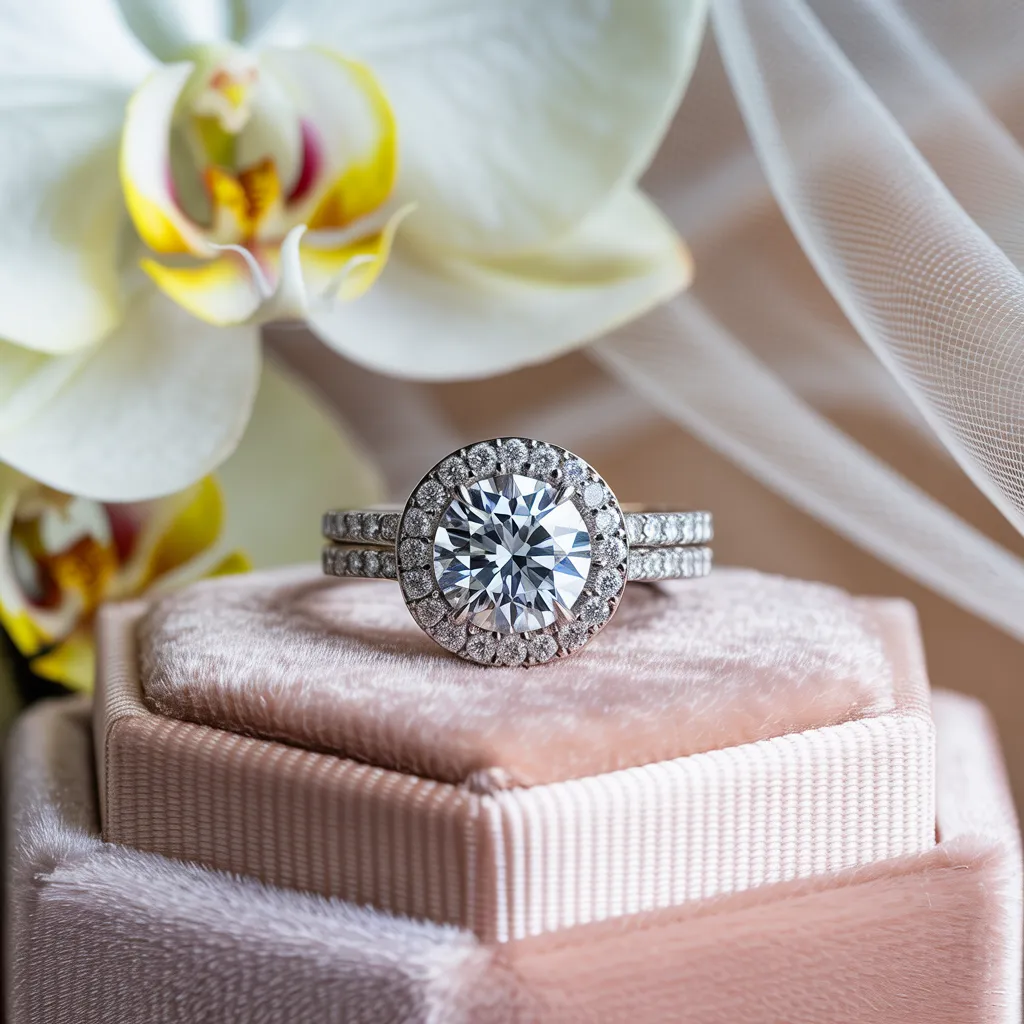
The Significance of Royal Jewelry Throughout History
Across the ages, monarchical jewelry has served as a powerful symbol of authority and status, reflecting the wealth and influence of monarchies. These remarkable creations were commonly fashioned from the finest materials, including gold, silver, and precious gemstones, demonstrating the artistry of skilled craftsmen and the wealth of the monarchy. Regal adornments went beyond mere embellishment but also conveyed messages of authority, legitimacy, and lineage. Crowns, tiaras, and necklaces often incorporated detailed motifs that embodied a nation's cultural identity, while also acting as political offerings to cement international relationships. The significance of such pieces transcended mere ornamentation; they were integral to royal events, crowning ceremonies, and official occasions, symbolizing continuity and stability in governance. As custodians of history, monarchical adornments links ancient traditions to modern times, reflecting the ambitions and achievements of royal families across centuries, rendering them priceless historical treasures.
Distinguished Items From the Royal Collection
The Royal Collection serves as a repository for some of the most iconic jewelry pieces in the annals of history, including the renowned Crown Jewels. These extraordinary pieces not only showcase remarkable artisanship but also encapsulate significant historical narratives. Distinguished royal figures have greatly deepened their enduring legacy, rendering them symbols of power and heritage.
An Overview of the Crown Jewels
Crown jewels embody the deep-rooted history and timeless legacy of the British monarchy, displaying a stunning assortment of pieces that reflect centuries of craftsmanship and significance. Among the most recognized items are the Imperial State Crown, embellished with close to 3,000 diamonds, and the Sovereign's Sceptre, featuring the iconic Cullinan I diamond. The Coronation Spoon, a time-honored artifact, highlights the ceremonial significance of the collection. Each piece serves a unique role during royal events, representing the authority and grandeur of the Crown. These treasures are kept at the Tower of London, drawing millions of tourists each year. As a whole, they represent a magnificent homage to the artistry and heritage of British royalty, fascinating spectators across the world.
Understanding Historical Significance
Among the many artifacts in the Royal Collection speak to power and legacy, a few iconic items stand out for their profound historical significance. The Imperial State Crown, adorned with the Cullinan II diamond, represents the authority of the British monarchy and has been a fixture at the State Opening of Parliament since 1837. Another notable piece is the Cambridge Lover's Knot Tiara, which bears associations with Queen Mary and Princess Diana, reflecting the lasting bonds and familial relationships within the monarchy. Moreover, the Koh-i-Noor diamond, formerly an emblem of imperial expansion, highlights the intricate relationship between history, power, and cultural significance. These celebrated items not only demonstrate extraordinary workmanship but also preserve significant milestones in the monarchy's illustrious heritage.
Celebrated Imperial Personalities
Countless royal figures have donned distinguished pieces from the Royal Collection, each adding their own chapter to the narrative of these magnificent jewels. Queen Elizabeth II was frequently photographed in the breathtaking Burmese Ruby Tiara, a gift from the people of Burma, representing grace and resilience. Princess Diana captured the world's attention with the spectacular sapphire engagement ring, which continues to be a symbol of her legacy. The Duchess of Cambridge, Kate Middleton, has embraced the allure of these pieces, especially being seen in the famous Cambridge Lover's Knot Tiara, first created for Queen Mary. Every royal who wore these pieces not only highlighted the exquisite artistry but also wove personal narratives and cultural meaning into the timeless elegance of the Royal Collection, guaranteeing its enduring legacy.
The Artistry Behind Royal Collection Jewelry
The artistry behind Royal Collection Jewelry reflects a dedication to remarkable workmanship that surpasses ordinary jewelry making. Each creation is painstakingly fashioned by talented craftspeople who utilize time-tested approaches, guaranteeing that all aspects are completed with care. Starting with the meticulous sourcing of premium stones to the elaborate metalwork designs, the manufacturing journey reflects a commitment to excellence.
Artisans often draw inspiration from historical designs, combining traditional elements with contemporary styles. This combination yields exceptional works that not only display extraordinary beauty but also convey a narrative. Methods including hand-setting, engraving, and filigree are frequently employed, highlighting the labor-intensive nature of each item.
The incorporation of ethically sourced stones and precious metals further enhances the quality of Royal Collection Jewelry, rendering it a mark of elegance and legacy. Ultimately, this dedication to artisanship ensures that each creation endures through the ages, valued across many generations.
How Royal Jewelry Embodies Cultural Traditions
Regal jewelry functions as a mirror to longstanding traditions, presenting rich symbolism within its design elements. The impact of history is visible in the aesthetic choices made by diverse regions, capturing the beliefs and stories of each unique society. Furthermore, traditional craftsmanship methods play a role in shaping the unique qualities of each crafted piece, greatly enhancing the cultural narrative embedded within royal collections.
The Role of Symbolism In Design Motifs
Jewelry commonly functions as a powerful means for expressing cultural identity and heritage, especially within royal collections. The design motifs in regal jewelry often represent meaningful cultural icons, demonstrating the values and beliefs of a society. For example, patterns like the lotus blossom in Egyptian jewellery symbolize renewal and purity, while Celtic interlace patterns represent interconnectedness and eternity. Every component is meticulously chosen to communicate themes of lineage, power, and protection. Moreover, the use of color and materials frequently mirrors cultural traditions, including the use of precious stones thought to carry symbolic meanings. As a result, royal jewelry not only serves as decoration but functions as a historical record, showcasing the intricate fabric of cultural legacy and history through its elaborate craftsmanship.
Historical Influence On Styles
Although influenced by various historical events, royal jewelry consistently embodies the timeless cultural customs of a society. Each piece serves as a reflection of the ideals, convictions, and rituals that have shaped its legacy. To illustrate, the detailed motifs found in European crowns can uncover links to ancient mythology, while Asian royal adornments often feature emblems of prosperity and harmony. The use of carefully chosen gems, such as sapphires and emeralds, frequently aligns with cultural significance—denoting wisdom or fertility, respectively. In addition, the craftsmanship and styles evolve in response to sociopolitical changes, yet they perpetually respect traditional motifs and techniques. As a result, royal jewelry extends beyond demonstrating aesthetic beauty but also encapsulates the vibrant mosaic of cultural heritage throughout history.
Traditional Regional Craft Techniques
Manufacturing traditions in royal jewelry showcase notable geographical distinctions that embody the historical customs of different cultures. In India, elaborate ornamental designs and brilliant jewel placements showcase the region's storied history, often integrating patterns drawn from nature and mythology. Correspondingly, in Europe, techniques such as cloisonné and champlevé enamel emphasize the artistry of medieval craftsmanship, often decorated by heraldic symbols that signify lineage and status. African royal jewelry regularly incorporates beadwork and metal-smithing, using natural materials to convey cultural symbolism and community identity. Every area's distinctive techniques not only elevate the artistic start here quality of royal pieces but also function as evidence of the artistry and cultural narratives that have shaped their creation through generations.
Royal Jewelry's Influence on Modern Trends
As monarchies across the globe persistently display their magnificent collections, the impact of royal jewelry on contemporary trends grows ever more apparent. Designers often draw inspiration from the timeless elegance and intricate craftsmanship found in royal pieces, translating these elements into contemporary fashion. Signature motifs, such as floral designs and geometric patterns, frequently appear in modern collections, demonstrating the perpetual charm of traditional design influences.
In addition, the reemergence of timeless visual themes in fine jewelry can be traced back to the royal collections that showcase lavish precious stones and intricate metal craftsmanship. Digital social platforms enhance this reach, with public figures often seen emulating aristocratic aesthetics, actively advancing these styles among everyday consumers. Consequently, buyers are increasingly seeking items that embody royal grandeur, giving rise to a merging of heritage and contemporary style in the modern jewel trade. This meeting point not only celebrates time-honored royal customs but also encourages future generations of artisans and enthusiasts alike.
Honoring the Heritage: Conservation Efforts and Exhibitions
Regal jewelry not only impacts current design trends but also necessitates significant work for protection and showcasing. Institutions responsible for these treasures engage professional conservators who meticulously assess the condition of each piece. This process includes cleaning, restoring, and upholding the suitable environmental parameters—temperature, humidity, and light levels—to avoid degradation.
Exhibitions play an essential role in presenting these pieces, enabling the visitors to recognize their historical and artistic significance. Museum professionals partner to design thematic displays that tell compelling stories, bringing together the histories of the origins of the jewelry and their noble proprietors.
Commonly Asked Questions
Who Typically Designs Royal Collection Jewelry Pieces
Fine royal jewelry items are generally crafted by celebrated craftsmen and designers, often commissioned by royal families. These talented artisans place emphasis on intricate craftsmanship, timeless heritage, and the use of precious materials to craft breathtaking jewelry.
How Are Royal Jewelry Pieces Authenticated?
Royal jewelry items undergo authentication via thorough evaluation by professionals, who assess craftsmanship, materials, and historical provenance. Paperwork, such as purchase records and certificates, additionally validates the authenticity, preserving the articles' legitimacy and royal ancestry.
What Materials Are Commonly Used in Royal Jewelry?
Fine royal jewelry is often adorned with valuable metals like gold and platinum along with a diverse selection of exquisite gemstones such as diamonds, sapphires, emeralds, and rubies. Such materials symbolize the enduring legacy, wealth, and power of royalty.
Can You Find Any Royal Jewelry Auctions?
Certainly, royal jewelry auctions are held periodically, showcasing magnificent items from diverse royal collections. Such occasions draw both collectors and enthusiasts, providing an exceptional chance to obtain historically important pieces steeped in heritage and artisanship.
How Are Royal Jewelry Collections Made Accessible to the Public?
The public can view royal jewellery collections through the means of exhibitions organized by museums, special events, and open-house events at royal residences. Select collections can also be presented during significant anniversaries or royal celebrations, enabling wider public access.
Summary
When examining the Royal Jewelry Collection, one uncovers a tapestry of history, artistry, and cultural significance. Every piece not only represents power and prestige but also showcases the exquisite workmanship that has been passed down through the ages. As contemporary styles keep changing, the timeless influence of royal jewelry stays impactful, bridging past and present. Via continued preservation initiatives and displays, these eternal gems will captivate future generations, ensuring that their stories and elegance endure.